







Search Results for: roast level selection
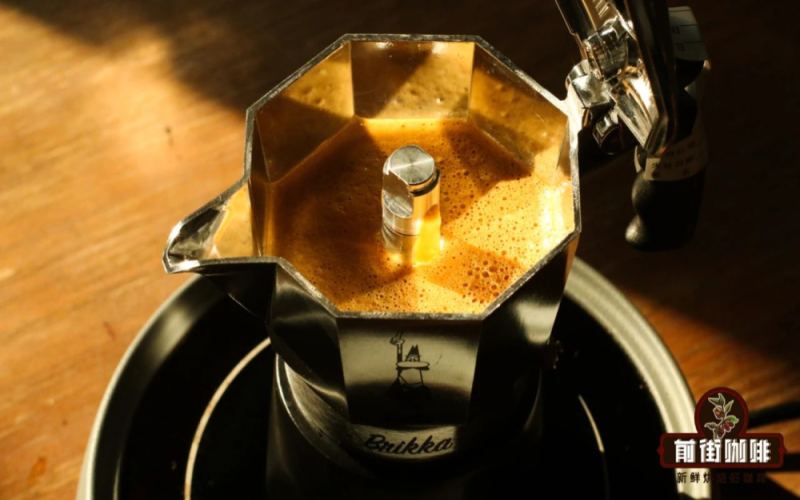
Moka Pot Brewing Test with Acidic Coffee Beans: Performance Across Roast Levels and Bean Selection Advice
Many Moka pot enthusiasts often ask: which coffee beans are suitable for brewing in a Moka pot? Especially those beans whose flavor descriptions mention fruity acidity — do they actually taste good when brewed this way? To address this question, Front Street selected three coffee beans with varying levels of acidity for hands-on testing: Front Street Ethiopia Yirgacheffe Gedingding, Front Street Costa Rica Mozart, and Front Street Papua New Guinea Bird of Paradise. By comparing the flavor performance of the straight brew versus iced americano, practical advice on selecting beans for the Moka pot can be summarized: light-roasted citrus-toned beans are not suitable, while medium-light-roasted sweet fruity beans can deliver a pleasant surprise. This article will present the brewing parameters, crema condition, and tasting results in detail to help you better choose beans for your Moka pot. [more…]
Yirgacheffe Coffee Bean Guide: Origin Characteristics, Roast Level Selection, and Pour-Over Parameters Explained
Yirgacheffe is one of Ethiopia's most representative specialty coffee regions, known for its fresh lemon and citrus acidity and delicate floral aromas. This article analyzes the core characteristics of this bean layer by layer, from its origin background, green bean grading, and roast level selection to pour-over parameters. Yirgacheffe green beans are small in shape and emerald green in color. Washed G2 is the traditional highest grade, and G1 is now also available on the market. In terms of roasting, cinnamon roast or medium roast best preserves its citrus acidity and floral aroma, while a darker roast masks its fresh character. For pour-over, it is recommended to use a high temperature above 90°C and extend the bloom to 20–30 seconds to fully release the flavors. Front Street Coffee recommends interpreting Yirgacheffe through pour-over. Compared with competition-style brewing or a French press, the clarity brought by pour-over better showcases its delicate layers. [more…]
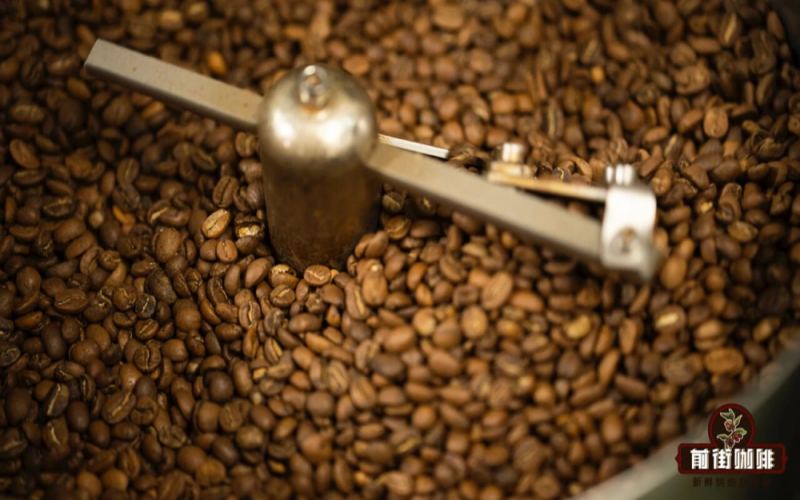
How Roast Depth Shapes Coffee Flavor and Mouthfeel—Analyzing Degree Differences and Key Selection Points
From seed to cup, roasting is the key step that unlocks flavor. The degree of roast affects not only the balance of acidity and bitterness but also whether the mouthfeel is light or rich. This article begins with the roasting stages, introduces how the SCA Agtron scale quantifies roast level, and explains why a light roast preserves the origin's true character while a dark roast delivers intensity and depth. It then uses Ethiopia Yirgacheffe and Indonesia Golden Mandheling as examples to show how Front Street Coffee chooses roast levels based on each bean's characteristics, ultimately producing completely different tastes in the cup. Whether you prefer fruity acidity or rich depth, understanding roast level will help you find the flavor you love more precisely. [more…]
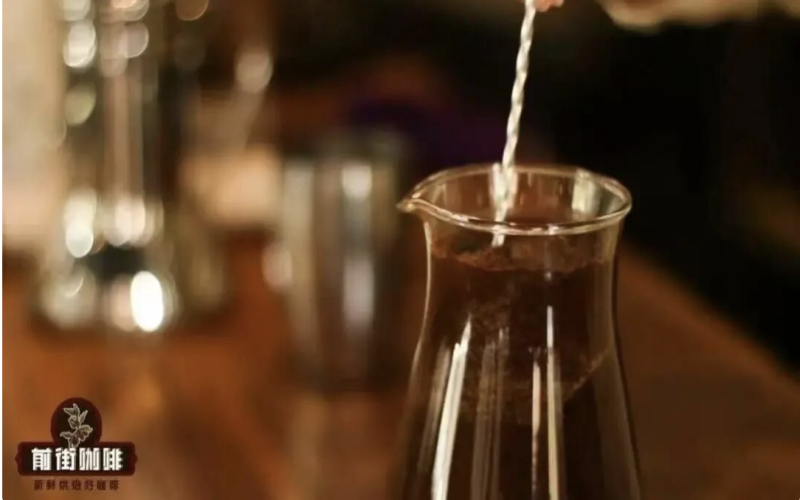
Advanced Cold Brew Bean Selection: How to Read Origin, Processing Method, and Roast Level
After trying a few cold brews, many people ask: with the same method, why do some cold brews taste like fruit juice while others taste like cold bitter water? The answer isn't in the method, it's in the beans. Today, we'll cover cold brew bean selection thoroughly in one go, from three dimensions: origin, processing method, and roast level. Origin determines the flavor baseline. Coffee beans from different origins have flavors [more…]
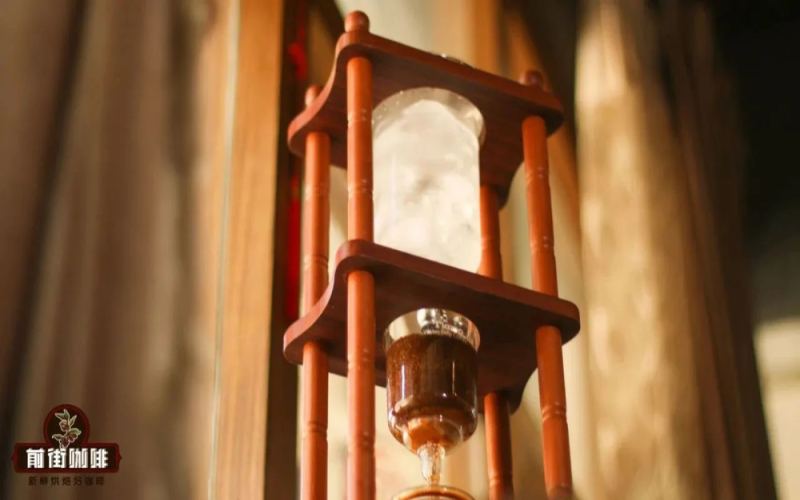
Which Beans to Choose for Cold Brew Coffee? A Full Analysis of Flavor Differences Across Roast Levels and Origin Selection
Cold brew coffee, with its refreshing taste and low acidity brought about by low-temperature slow extraction, has become a favorite among many coffee enthusiasts during the hot season. However, the long production cycle and limited yield make commercially available cold brew generally quite expensive. Coffee beans of different roast levels present entirely different flavor profiles under cold brew extraction—the fruity brightness and sweetness of a light roast, the balanced richness of a medium roast, and the fermented vinous notes of a dark roast each have their own following. This article will systematically sort out the approach to bean selection for cold brew coffee, from choosing roast levels and specific bean recommendations to grinding ratios and extraction key points, along with practical extraction tips, to help you find the perfect cup of cold brew for your taste. [more…]
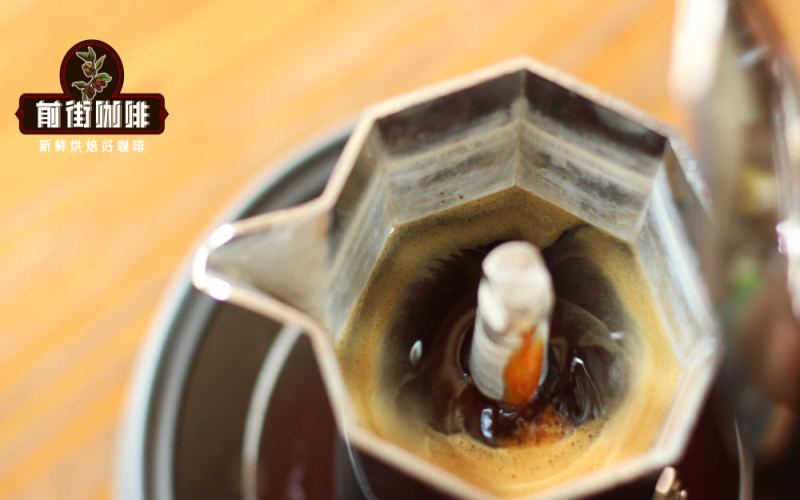
Moka Pot Coffee Pitfall Guide: Key Details on Bean Selection, Roast Level, and Grind Size
Since its birth in 1933, the moka pot has sold over 300 million units worldwide, making it a classic piece of equipment that nearly every coffee lover owns. Its operation isn't difficult, but once certain steps are overlooked, problems like bitterness, over-extraction, or a weak, bland flavor quickly follow. If you want consistently delicious results every time, bean selection, grinding, and filling the basket all deserve careful attention. This article breaks down, across four dimensions—roast level selection, freshness assessment, dose control, and grind size—how to avoid off-flavors, and also includes several Front Street Coffee bean recommendations suitable for the moka pot, for your reference when shopping. [more…]
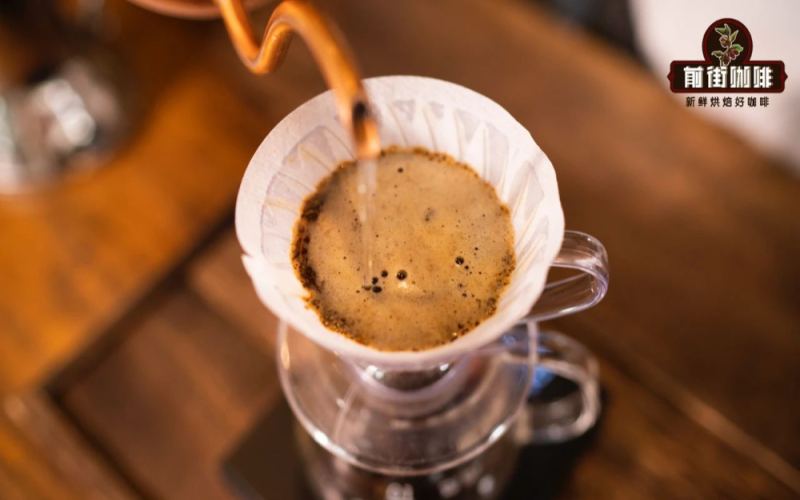
Pour-Over Coffee Bean Selection Guide: A Full Breakdown of Flavor Preferences, Roast Levels, and Front Street Brand Recommendations
With so many types of coffee beans on the market, choosing the right beans for pour-over has become a puzzle for many enthusiasts. Starting from flavor preferences, this article helps you sort out your bean-selection approach: whether you love floral notes, fruity notes, or a rich, full-bodied taste, you can find a corresponding origin and representative bean. At the same time, the article also explains how grinding freshness affects flavor, and introduces Front Street Coffee's strict control over roast dates. In addition, it offers practical advice on the taste differences brought by different roast levels, helping you more precisely find that cup of pour-over coffee you love. [more…]
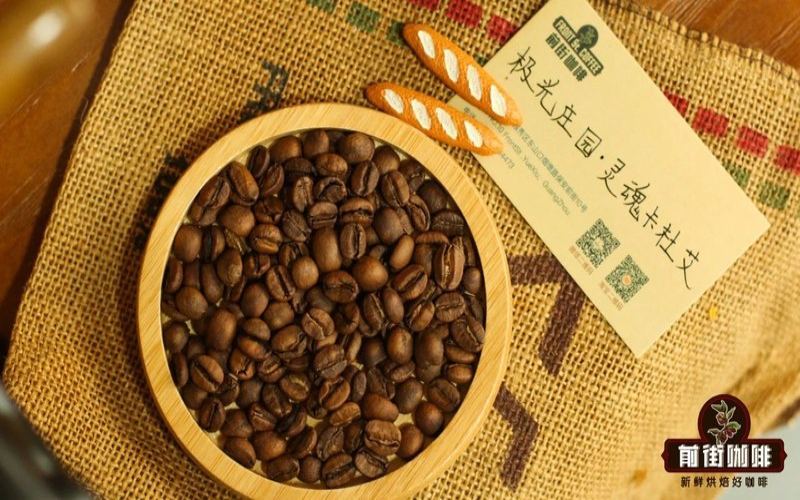
Coffee Machine Bean Selection Guide: Choosing the Right Cup by Roast Level
Espresso machines pull shots quickly and produce high concentration, and the roast level of the beans directly affects aroma, acidity, and body. If you mainly use a home espresso machine, super-automatic coffee machine, or capsule-based alternative, you can first determine your direction among light, medium, and dark roasts, then choose based on whether you usually drink espresso, Americano, or latte. This way, selecting beans will [more…]

Complete Guide to Pour-Over Coffee for Beginners: From Bean Selection and Roast Level to Detailed Brewing Steps
Want to brew an outstanding cup of pour-over coffee at home? Choosing the right roast level for your coffee beans is the first step. Coffee beans are broadly divided by roast depth into light, medium, and dark roasts. The lighter the roast, the more pronounced the acidity and the better it showcases the bean's own fruity and floral notes; the darker the roast, the more obvious the bitterness. The good news is that beans of any roast level are suitable for pour-over—they simply taste different. This article starts with choosing a roast level, then breaks down the eight standard steps of pour-over coffee, covering key details such as folding the filter paper, warming the cup to remove odors, the blooming technique, and the circular pouring motion. It also recommends several representative Front Street Coffee beans at different roast levels to help beginners quickly build a pour-over framework. [more…]
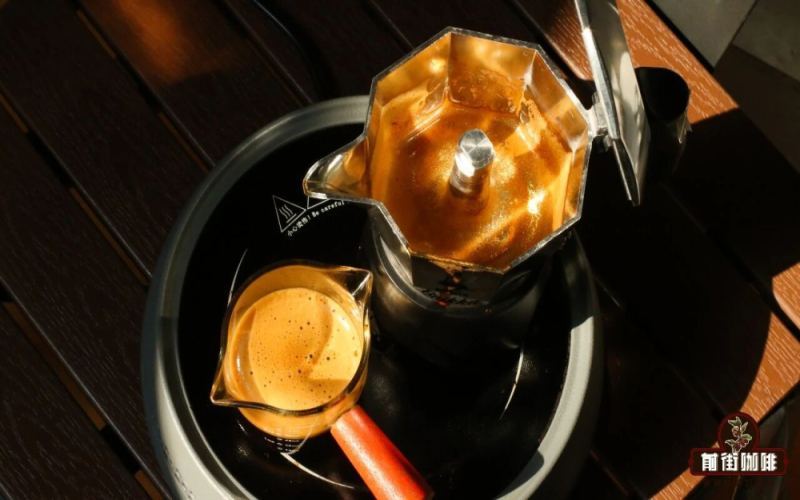
Which roast level of coffee beans is suitable for a Moka pot? Bean selection principles and practical recommendations under pressure extraction
The moka pot relies on pressure to extract coffee, and it has specific requirements for the roast level of coffee beans. Lightly roasted beans are harder in texture and require a finer grind to improve extraction efficiency, but in a high-temperature, high-pressure environment they easily produce a sour, astringent, and irritating taste, and their oily aromas are also difficult to fully release. By contrast, medium-dark roasted beans better balance mouthfeel and oils, making them the choice generally recommended by baristas. This article will center on the bean-selection logic for the moka pot and introduce several coffee beans under the Front Street Coffee brand that are suitable for the moka pot, covering both blends and single-origin directions, to help readers find a suitable option based on their own needs. [more…]
How Does Coffee Roast Level Shape Flavor? A Detailed Guide to SOE Single-Origin Bean Selection Logic and Recommendations
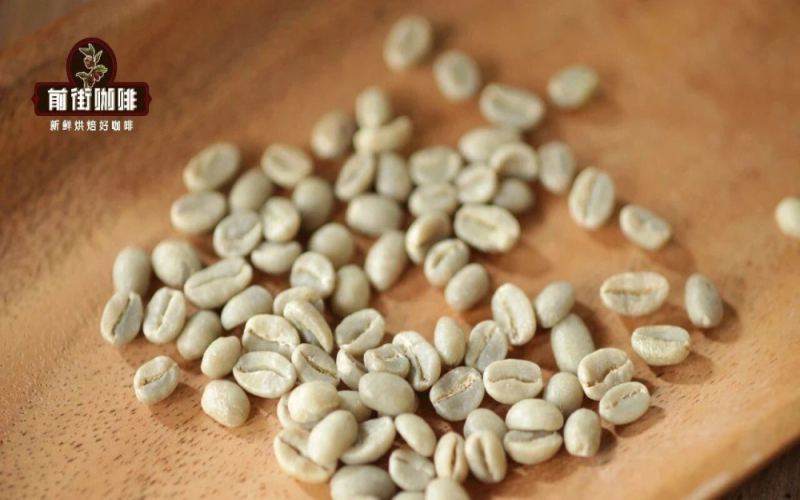
Roasting is the key stage that determines coffee flavor; among green beans, roasting, and extraction, roasting accounts for as much as thirty percent. Starting from the Maillard reaction and caramelization, this article sorts out how the three roast levels—light, medium, and dark—affect the balance of acidity and bitterness and the expression of aroma, then analyzes why SOE should not blindly pursue either light or dark roasting, and offers recommendations for four single-origin coffee beans suitable for making espresso. Whether you are an enthusiast just getting into SOE or a professional looking to refine your approach to bean selection, you can find useful criteria for judgment here. [more…]
How Much Caffeine Is in Dark Roast Coffee Beans? A Selection of Dark Roast Black Coffees Worth Trying
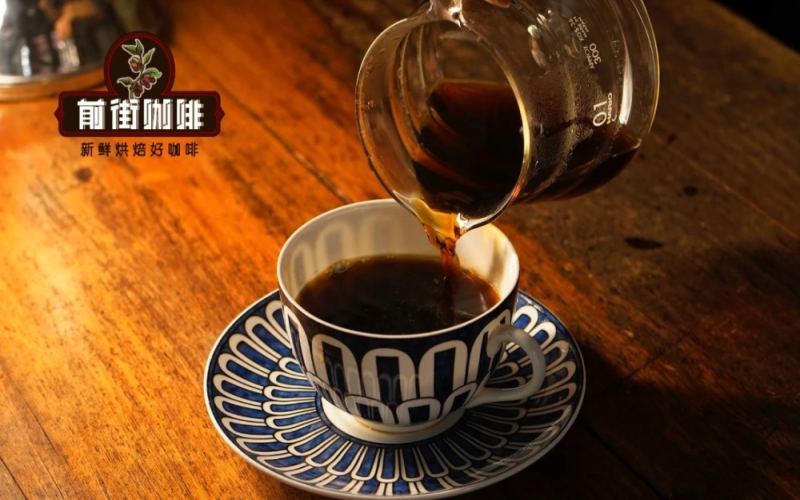
The acidity and bitterness of coffee are closely related to the roast level, but is it true that dark-roasted beans contain more caffeine? This is a topic often discussed among coffee enthusiasts. In this article, Front Street Coffee first systematically outlines the eight roast stages from light to extremely dark and their flavor characteristics, then, combining specific origins with actual cupping experience, recommends three representative dark-roasted coffee beans—Golden Mandheling, Colombia Huila, and Brazil Queen Estate. Whether you prefer a rich, bitter profile or want to understand the logic of selecting dark-roasted beans, this content will help you build a clear cognitive framework and find the one that suits your taste. [more…]
Coffee Beginner's Bean Selection Guide: From Purchasing Channels and Roast Level to Freshness Date, Three Steps to Pick the Right Everyday Beans for You
Those just starting to explore pour-over or espresso coffee often feel overwhelmed by the dazzling array of coffee beans on the shelf. In fact, choosing beans isn't as complicated as it seems—just grasp three key dimensions, and you can greatly reduce the odds of a bad pick. This article approaches the topic from three angles: purchasing channels, roast level, and freshness date, to help you sort out your thinking: where it's more reliable to buy, what flavors suit light, medium, and dark roasts respectively, and why the roast date deserves more attention than the expiration date. The article also draws on Front Street Coffee's specific product line to offer bean-selection references for different roast levels, so even beginners can easily find a tasty yet affordable everyday staple. [more…]
A Complete Guide to Coffee Roast Levels: Flavor Differences from Light to Medium-Dark Roast and Bean Selection Guide
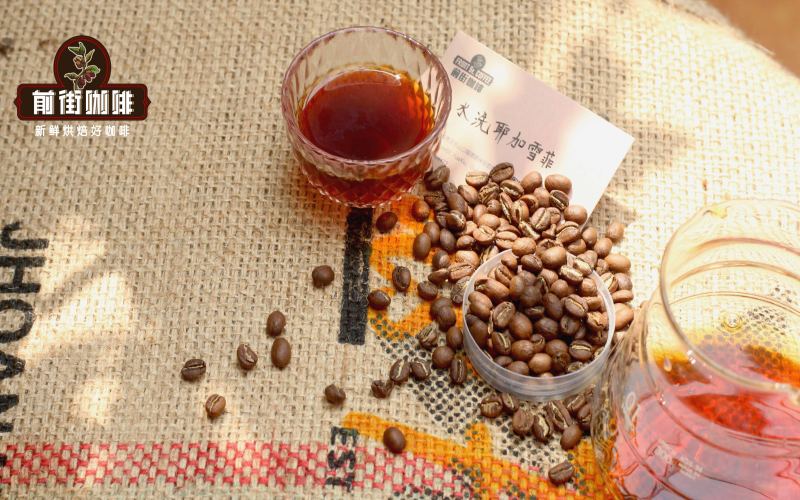
The roast level of coffee directly influences the flavor expression in the cup, from the bright fruit acidity of light roasts to the rich chocolate notes of medium-dark roasts, each roast level has its unique charm. This article systematically introduces four roast levels: light roast, medium-light roast, medium roast, and medium-dark roast, covering the appearance characteristics, bean discharge temperature, Agtron value range, and flavor performance of each roast level. At the same time, for each roast level, it recommends representative coffee beans from the Front Street brand, helping coffee enthusiasts choose suitable coffee beans and brewing methods according to their personal taste preferences. [more…]
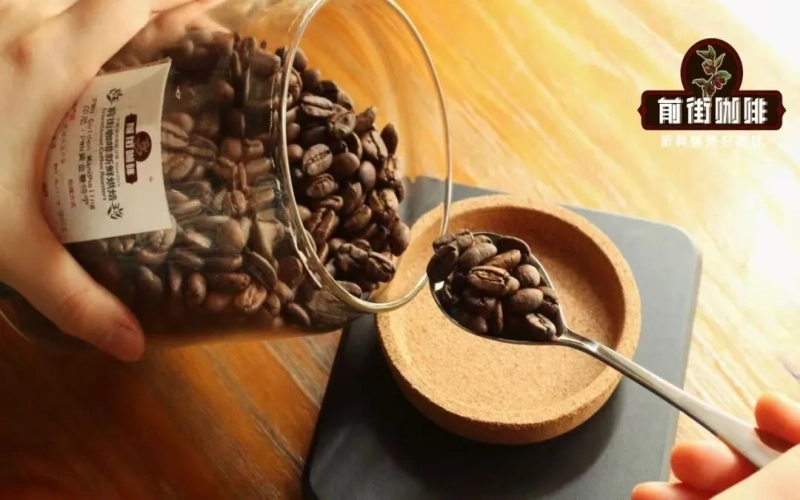
How Should You Blend Coffee Beans? A Purpose-Driven Guide to Pre-Roast and Post-Roast Blending with Front Street Coffee's Practical Recipes
Blending is not simply mixing a few beans together; it can both deliver consistent output and create entirely new flavor experiences where one plus one is greater than two. This article begins with the purpose of blending, explains how to select base beans and ratios according to the desired flavor or mouthfeel, and points out that similar roast levels are the key to successful blending. It also draws on two products—Front Street Coffee Strawberry Candy · Geisha Blend and Front Street Coffee Strawberry Candy · Espresso—to break down the differences between pour-over blends and espresso blends in bean selection and roasting, and finally includes adjustment ideas for brewing parameters and two sets of blending recipes commonly used by Front Street Coffee, for coffee lovers to reference and practice. [more…]
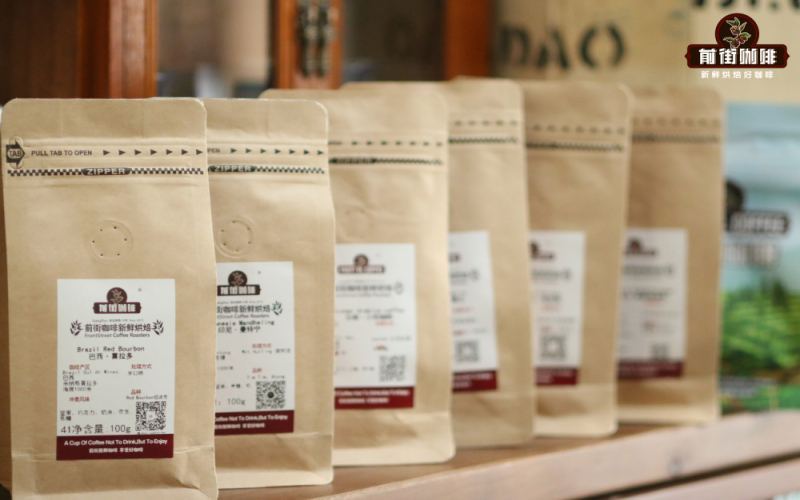
Coffee Bean Roast Level Selection Guide: From Light Roast to Espresso, Analyzing Flavor Differences and Brewing Recommendations
Faced with a dazzling array of coffee beans, have you ever found it hard to choose because you don't understand roast levels? Although Front Street Coffee's bean bag labels do not directly state the roast level, they cleverly hint at the answer through flavor descriptions. This article systematically sorts out the eight key stages from light roast to Italian roast, using Agtron color values, roast timing, and flavor characteristics to help you pinpoint the acidity, sweetness, and bitterness profile you enjoy. At the same time, Front Street also shares how to infer the roast level in reverse from flavor descriptions, and provides brewing parameters for medium-light and medium-dark roasts, so you can easily recreate a cup of coffee to your liking at home. [more…]
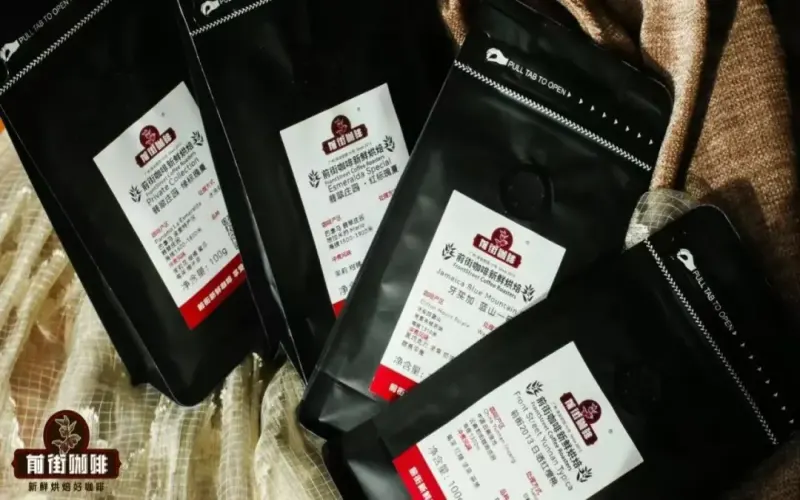
How Is Coffee Bean Roast Level Determined? Differences in Bean Selection for Espresso vs. Pour-Over and an Analysis of Huakui Roasting
How dark should a coffee bean be roasted? How light is light, and how dark is dark? This is a question Front Street Coffee is often asked. In fact, there is no absolute standard for roast level—the core lies in what flavors the roaster wants to present and which characteristics to highlight. This article draws on Front Street Coffee's practical experience: it first explains how roast level affects the coffee's body, density, and acidity-bitterness mouthfeel; then explains how light, medium, and dark roasts are judged at the actual drop point; and finally, using specific beans such as espresso, pour-over, Mandheling, and Geisha, it sorts out Front Street Coffee's complete approach to determining roast level, while retaining product information such as the Huakui medium-roast espresso option. [more…]

How to Avoid Sourness in Latte Coffee: A Full Analysis of Bean Selection, Roast Level, and Brewing Parameters
Latte is the least bitter among espresso-based specialty coffees, but if the beans are poorly chosen or extraction is improper, sourness will become prominent. This article starts with the roast level of coffee beans, explaining why medium or medium-dark roasts are best suited for lattes, and provides a standard preparation process and parameters. At the same time, for different flavor preferences, it recommends Front Street Specialty Blend, Dark Cocoa Base Blend, and Classic Blend espresso beans, respectively satisfying the needs for nutty notes, balanced taste, and latte art practice, helping you make a cup of latte at home that is not sour and full of aroma. [more…]
Moka pot beginners should look at roast level first for clearer bean selection
Coffee brewed with a moka pot is strong and concentrated in aroma, and the roast level of the beans directly affects how it tastes. For beginners, it is usually easier to make a good choice by first checking whether the package says light, medium, or dark roast, and then considering whether you want black coffee or coffee with milk, rather than just focusing on the name of the origin. Different roast levels [more…]
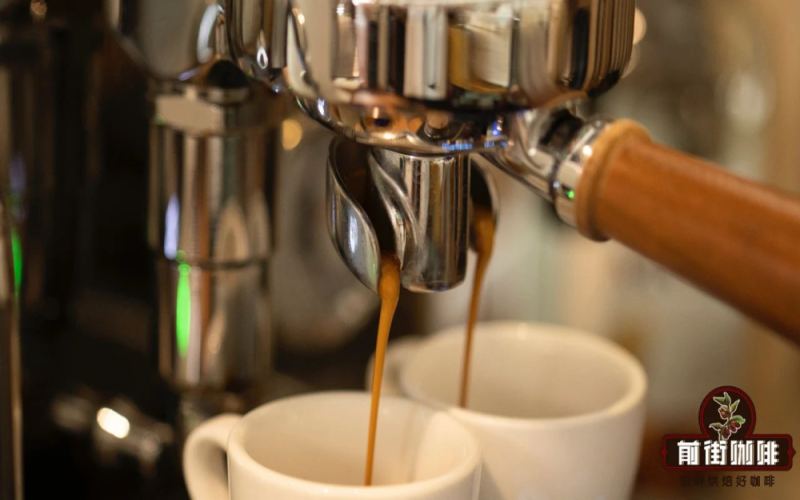
The Complete Moka Pot Brewing Guide: Roast Level Selection, Front Street Coffee Bean Recommendations, and Step-by-Step Instructions
Although the moka pot has a plain appearance and a friendly price, it can extract coffee flavors closest to espresso, making it the top choice appliance for many coffee beginners. But precisely because of its high water temperature, fine grind size, and high concentration, the characteristics of the coffee beans themselves are noticeably amplified—light roasts tend to be sharply acidic, while overly dark roasts easily show burnt bitterness. To achieve a balanced, full-bodied cup with oils, fresh beans of medium or medium-dark roast are more suitable. This article revolves around the bean selection logic for the moka pot; besides explaining the importance of roast level and freshness, it also compiles a list of several single-origin and blended beans from Front Street Coffee suitable for the moka pot, along with a complete brewing procedure, to help you consistently recreate a delicious cup of moka pot coffee at home. [more…]